Construction & Supervision

ConstructionPhase

01

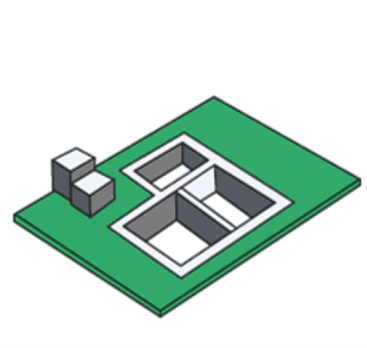
Site Preparation

Clearing and leveling the land.
02

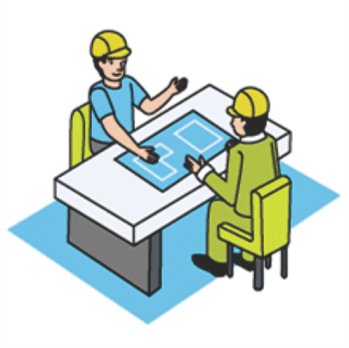
Foundation

Laying the foundation, which can be a concrete slab or other types.
03

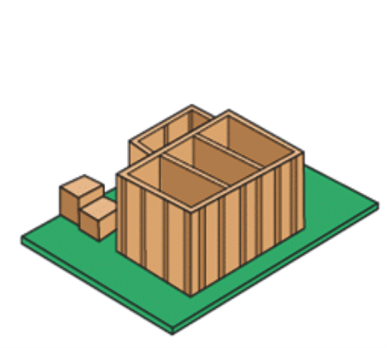
Framing

Building the frame of the house, often with timber or steel.

04

Interior Fit-out

Installing plumbing. Electrical, finishes. And fixtures.

05

Lock-up

Adding walls. Windows, & doors, marking the point where the structure is weather tight

06

Practical Completion

Final inspection by the owners & if any amendments.

Building Permit

Application: You’ll need to submit your building plans (architectural and structural) to the relevant development authority (e.g., CDA, LDA, TMA, or DHA).
Documents: You’ll need to provide evidence of ownership, a photocopy of the construction company’s memorandum of incorporation, a power of attorney (if applicable), and a copy of the CNIC (identity card) of the attorney-in-practice.
Review & Approval: The authority will scrutinize your plans, verify ownership, and vet the structural drawings.
Fees: You’ll need to pay scrutiny fees and other applicable fees to the relevant bank.
Timeline: The process can take around 20-45 days.

Occupancy Certificate

Final Inspection: Once the house is completed, you’ll need to obtain a final inspection and certificate from the building code inspectors.
Requirement: An Occupancy Certificate is required before you can move into or use the property.
Purpose: This ensures that the construction meets all safety and structural requirements, allowing you to legally occupy the dwelling.

Timeline

A typical 5 marla house construction in Pakistan usually takes between 6 months to a year, with the exact timeline depending on design complexity, material availability, and weather. The best time to build is generally during the spring or autumn, when weather is pleasant and labor is readily available.
Permits: To build a house in Pakistan, you need a building permit and an occupancy certificate. These permits ensure that the construction adheres to local building codes and regulations, and that the finished structure is safe and structurally sound.


House

Australian style

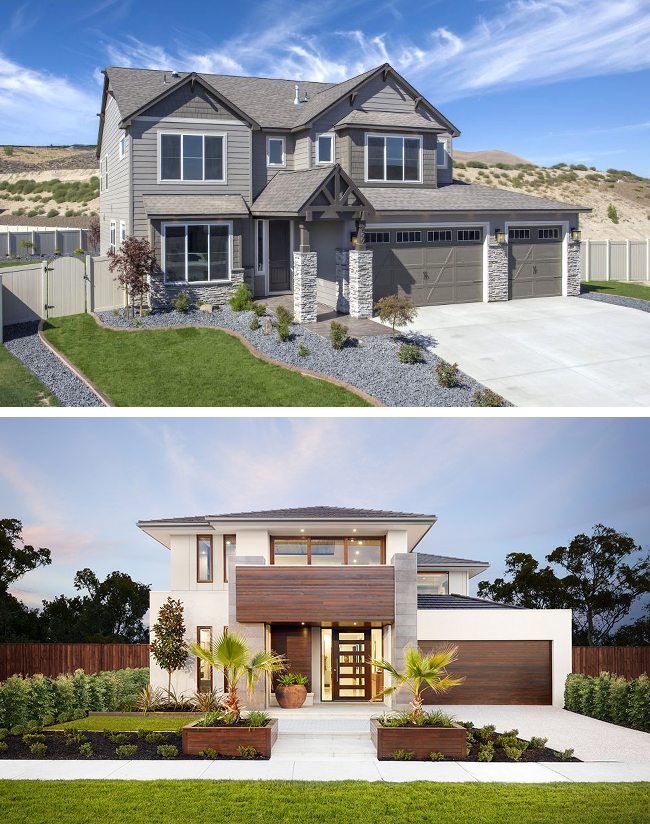
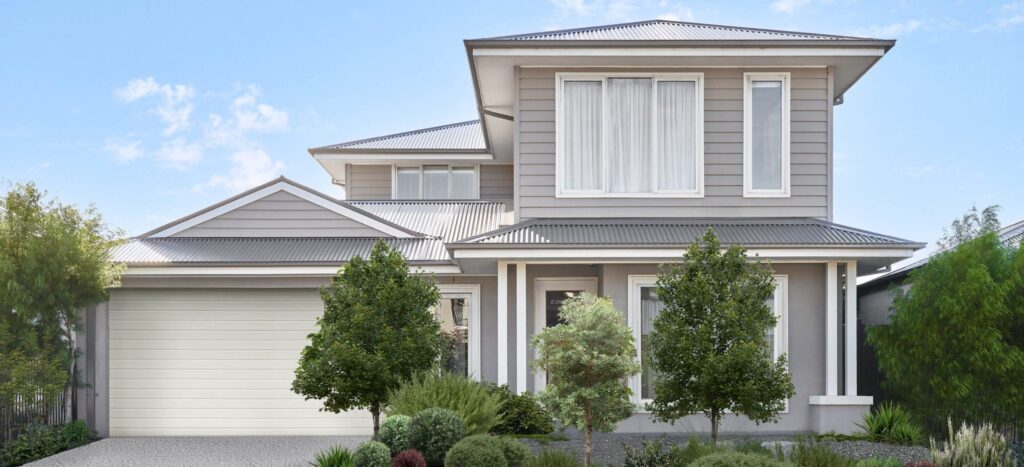
Australian style prioritizes a relaxed, outdoor lifestyle. Key features include open-plan living, a seamless flow to alfresco areas (verandas/decks), large windows for natural light and cross-breezes, and the use of natural materials like timber and corrugated iron to suit the varied, often intense climate

Different Design Styles

  •  Queens Lander Style Home
  •  Contemporary Brick & Tile Style Home
  •  Colonial Style Home
  •  Federation Style Homes
  • Terrace Style Homes

Pakistani style

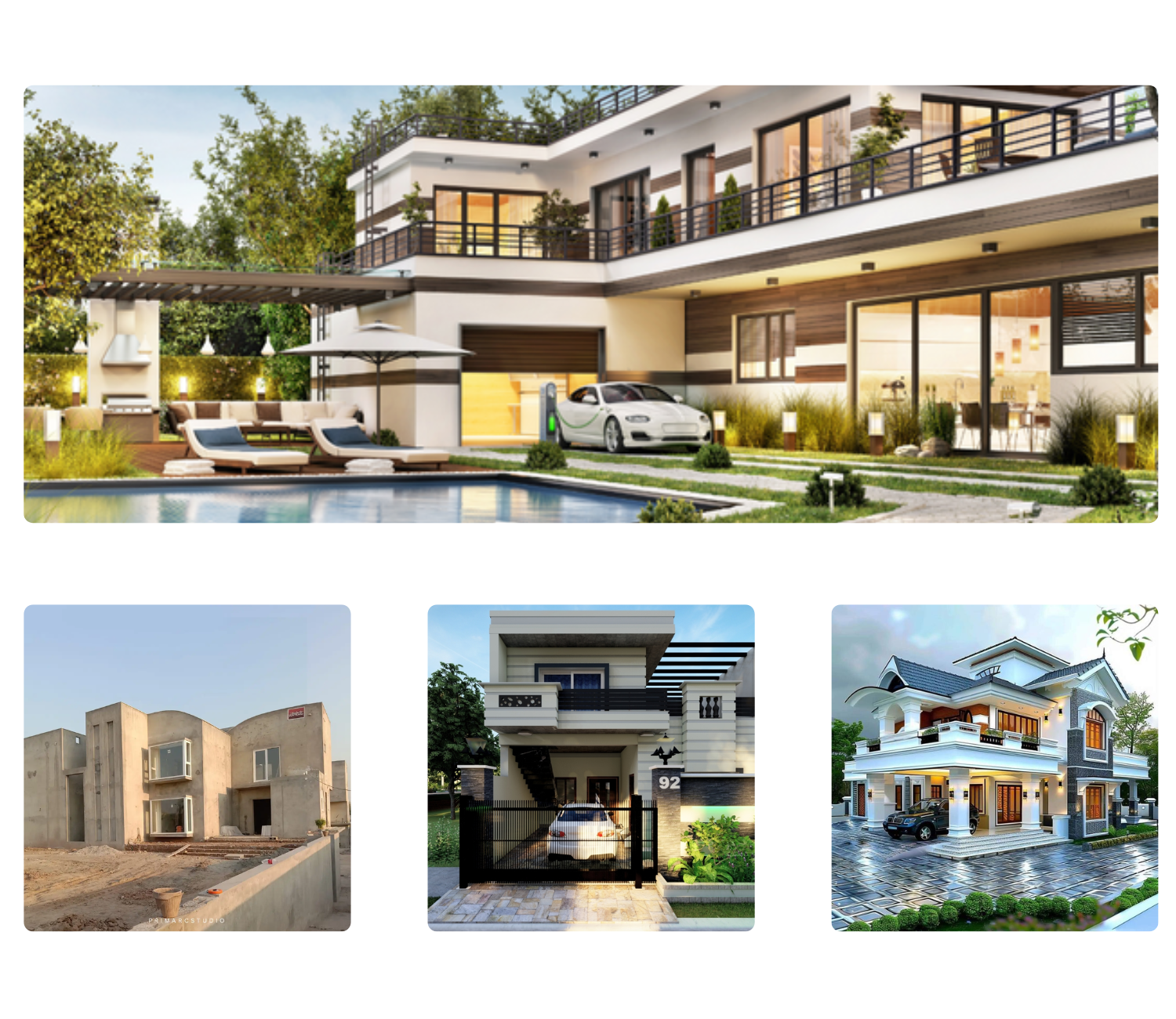
Pakistani style house design is a rich fusion of historical influences, regional climates, and modern aesthetics. The styles range widely, from adapted for heat and family privacy to sleek, contemporary urban villas.

Different Design Styles

  • Traditional Courtyard Houses (Havelis)
  • Colonial/British Raj Bungalows
  • Climate Adaptation Houses
  • Modern Minimalist Houses

Common Size Of Houses

  • 5 Marla
  • 10 Marla
  • 1 Kanal
  • Farm House